A subject of vigorous debate and self-reflection that often gets discussed on my podcast are the questions of whether or not we individually consider ourselves to be artists and how we define what art actually is when it comes to nature and landscape photography. While there is far from consensus on the question, perhaps we can peel back the layers of this onion and provide some perspective. To get to the root of these questions, it first makes sense to examine the definition of art as found in the dictionary. The Merriam-Webster dictionary defines art as:
Creating nature photography requires the conscious choice of framing, composition, lens selection, when to press the shutter, what settings to use, how to edit the image, and many other skills.
Based on these definitions, it seems definitive that any form of photography can easily be considered art, but is that good enough to end the conversation? I’m not so sure, so let’s delve a bit deeper by first engaging in some self-reflection, shall we?
I often find myself questioning whether I am truly an artist, as I think many nature photographers do throughout their career. There are many possible reasons we do this as nature photographers:
These factors often leave many of us questioning whether we are artists, and I think to fully appreciate the nuance even further, we need to go back in time. The origins of why photography is often not considered by many to be a form of art can be traced all the way back to the beginning of photography itself. Photography was immediately dismissed because it was seen as merely making a copy of what already exists, and photographs can be replicated themselves ad infinitum. Contrasted with paintings or sculptures, which are original works of art that cannot easily be replicated, photographs can be copied over and over again, which many see as cause for them to have little or no value; however, it is my opinion that this argument against photography as an art form is rooted in the idea that art must have monetary value to be considered art, and I think that is far from the truth. After all, it is the fine art gatekeepers of our world that have it in their best interest to dictate what art has value and what art does not, which is why we see so many photographers implementing limited editions on their work. This strategy to limit the number of times our work can be replicated is, in my opinion, a marketing scheme developed by the fine art gatekeepers to elevate photography’s place in the fine art market, and nothing more. Perhaps the most authoritative essay on this subject was written by Brooks Jensen, and it is something I encourage you all to take a look at while contemplating the artistic and monetary value of your own work.
I believe that making a distinction between monetary value and artistic value is a fantastic segue for us to continue examination of these questions. In a perfect world, the two would be linked closely; however, that is almost never the case. How much a piece of art sells for is only an indicator of how much it is seen to provide value to the person that buys it, and nothing more. The definitions of value vary greatly person-to-person, ranging from prestige, decorative practicality, personal feelings about the artwork, and much more. Where am I going with all of this? My point is that art is a highly subjective construct and the bar to meet its definition is very low; however, it also illustrates that this subjective nature provides us with ways we can measure the artistic value or merit of any given creation, including a single nature photograph. It is also true that what you might think is terrible, I might think is a stroke of genius. Such is the nature of art.
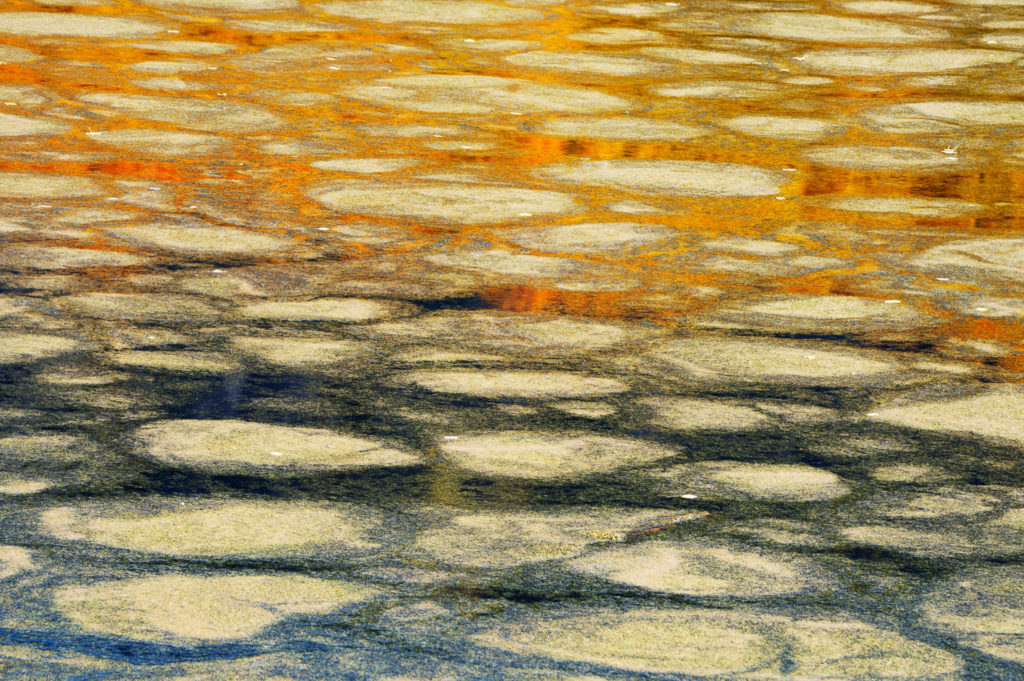
As such, I strongly argue that nature photography is art; however, not all art should be considered valuable, and not all art can rise to our expectation of being good art. Just as I could record an audio recording of me singing in the shower and call it musical art (you really don’t want me to), I can (and have) also make a photograph that is lacking in technical execution, with poor colors, employing bad editing, using a terrible composition, without any deeper meaning, in an ordinary way – and call it photographic art.
The better question to ask ourselves then, is how can I create nature photographs that are artistically good?
There probably is not a lot of consensus in the answer to that question; however, I aim to provide a simple framework for evaluating nature photography’s artistic quality using five criteria:
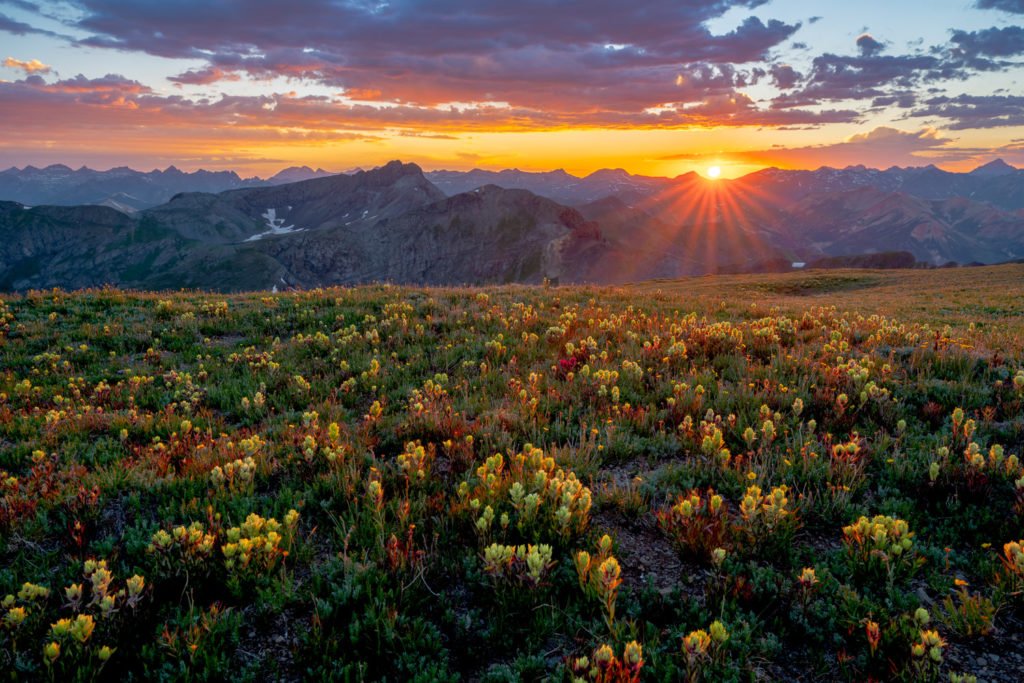
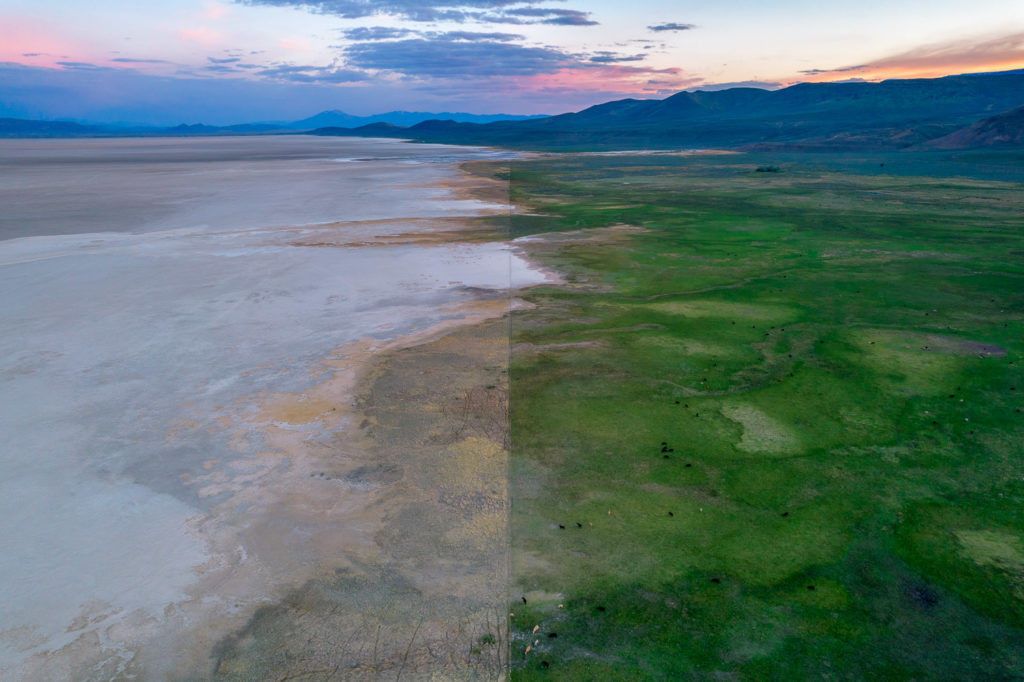
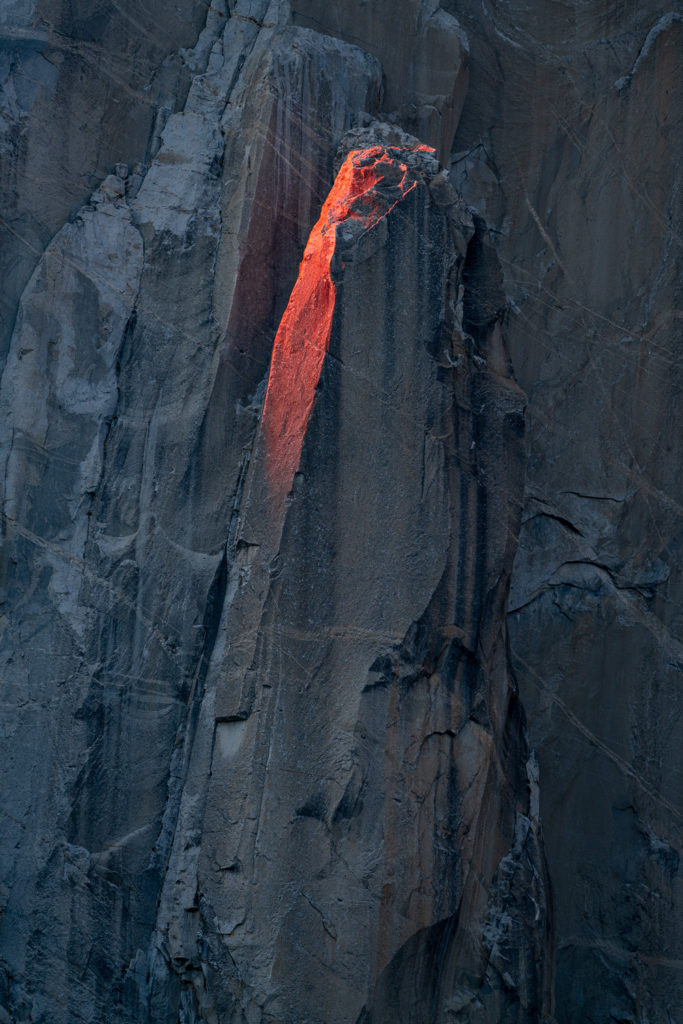
Using these criteria can help us grow as photographers (and artists) and help our photographs really grow into more artistically valuable medium. I have been thinking about these variables in my own work over the past few years and I certainly know that I have a long way to go before much of my own work checks all the boxes. This is incredibly exciting for me as it gives me something tangible to work towards and will keep me engaged in this legitimate art form for a very long time to come.